Orders placed before 4 p.m. are processed on the same day.
 Zapłać 60 dni później z PRAGMA GO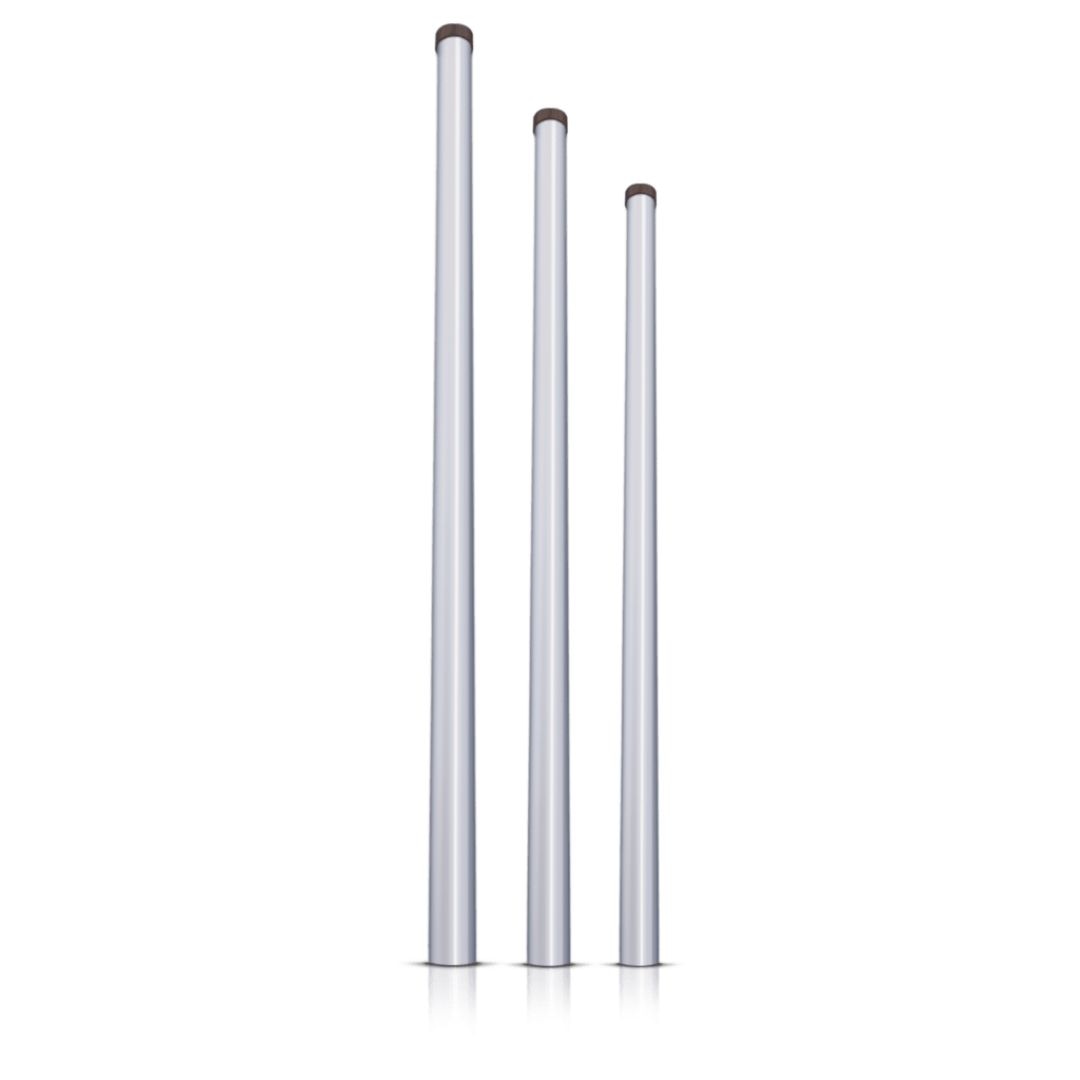
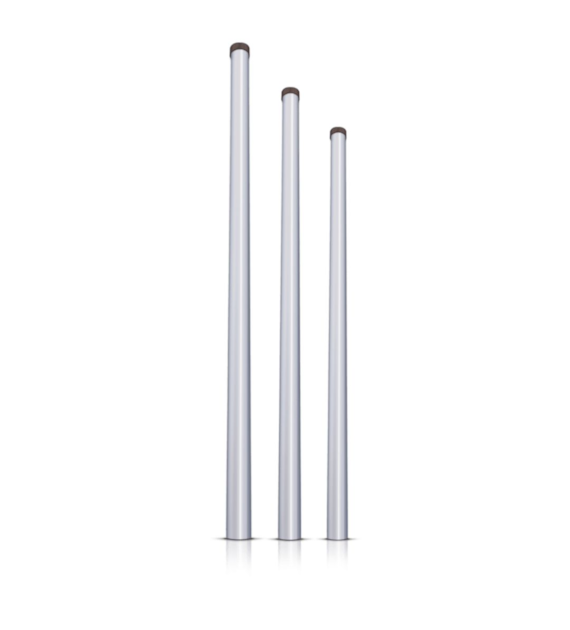
Durable Composite Lighting Poles
Our composite lighting poles, made from polymer reinforced with glass fiber, represent a revolution in street lighting. By utilizing advanced materials such as polyester resins, glass fabrics, and glass mats, we have created a product that combines lightness with exceptional durability. These poles are an excellent alternative to traditional steel, aluminum, or concrete structures.
Advantages of Composite Lighting Poles:
Durability and Longevity: Composite poles are designed for long-lasting performance, with a lifespan estimated at 40-50 years. They contain no corrosive metal components, making them resistant to weather conditions, UV radiation, and vandalism.
Ease of Installation: Due to their lightweight design, composite poles are easy to install, significantly reducing installation and labor costs.
Eco-Friendly and Safe: The production of composite poles requires less energy compared to steel or aluminum poles and generates lower CO2 emissions. Additionally, composite materials are recyclable, making them environmentally friendly.
Safety: Composite poles do not conduct electricity, reducing electrical hazards. Their low energy absorption in collisions minimizes damage to vehicles and injuries to drivers and passengers.
Corrosion and Chemical Resistance: These poles are resistant to various chemicals, including those used for street cleaning and snow removal, as well as industrial pollutants and acid rain.
Customizable Appearance: The surface of the pole is finished with gel coat, allowing for any color from the RAL palette, providing tailored solutions to meet client specifications.
Summary: Composite lighting poles offer a durable, safe, and cost-effective solution for modern urban infrastructure. With innovative materials and meticulous construction, our products ensure reliability and aesthetic appeal at the highest level.
We have made every effort to ensure that the above data is correct, but we do not guarantee that the published information does not contain errors, which, however, cannot constitute the basis for any claims.









 Szybki proces.